Denton and nearby Denton County, Texas
Mold Removal in Denton, Texas, and the State Rule That Splits the Job in Two
Mold removal in Denton runs on rules most homeowners never hear about until they need them. Texas licenses mold work, and it keeps the company that measures the problem apart from the company that removes it. Add a long cooling season and spring storms, and a Denton house has its own ways of getting wet.
In Denton, a small patch under 25 contiguous square feet can be cleaned by anyone, including you. A hired job at or above that size needs a Texas mold remediation license, and a separate licensed assessor writes the plan and checks the result. HomeGuide (2026) puts typical mold removal at $1,500–$6,000.
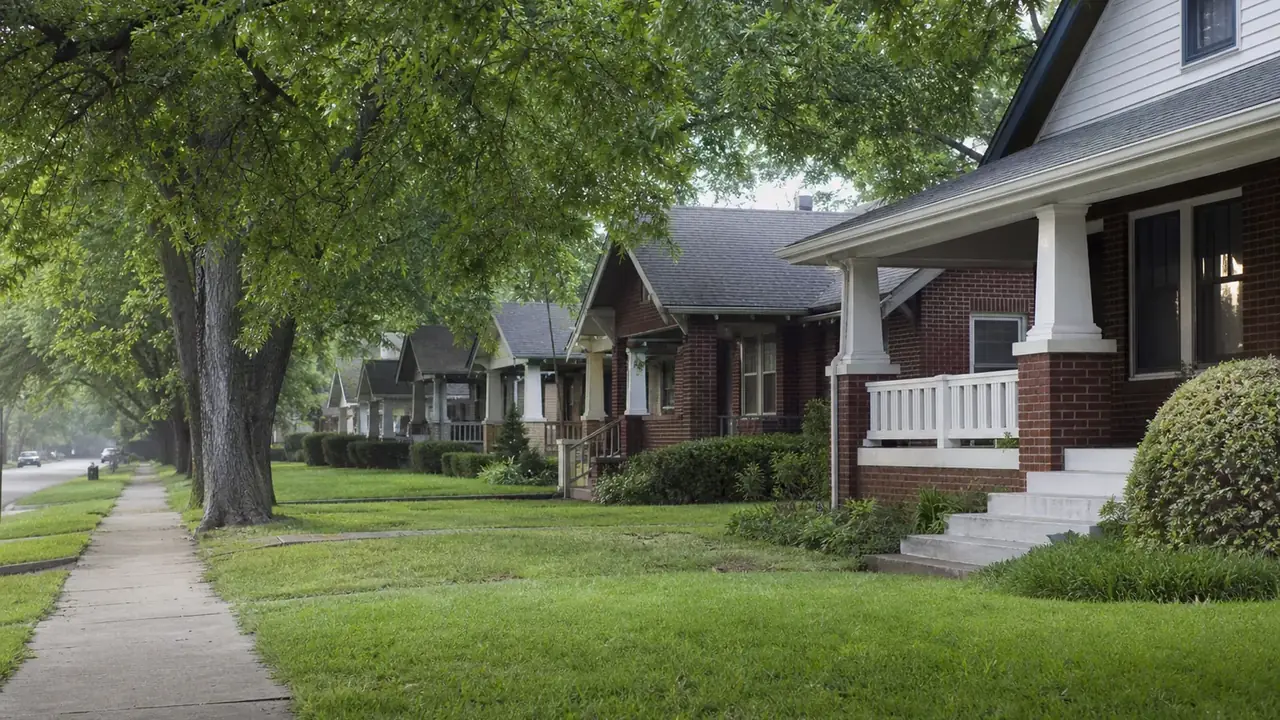
How mold removal in Denton works under Texas law
Texas Occupations Code chapter 1958 creates two licenses: one for mold assessment, which covers inspecting, sampling and writing the remediation plan, and one for mold remediation, which covers the removal, cleaning and treatment itself. A license holder may not do both on the same project, and nobody may own a piece of both the assessing and the remediating company on one job (Sec. 1958.155).
In practice a licensed Denton job goes in this order. An assessor inspects and writes a protocol. Before work starts, the client receives a written work analysis naming the rooms, how much material comes out, and the method for each area (Sec. 1958.151). A remediator does the work. The assessor comes back for a post-remediation check. Within 10 days of completion, the remediator hands the owner a certificate of mold remediation (Sec. 1958.154). Two companies, two bills, one paper trail.
Where Denton houses get wet enough for mold
Mold needs water, and in Denton much of it comes from the cooling system. The city's airport averages 103.9 days a year at 90°F or hotter (NOAA 1991–2020 normals), so air conditioners here pull water out of indoor air for most of the year. That water has to leave through a drip pan and a condensate line. When the line clogs or the pan rusts through, especially with the air handler up in the attic, the drywall below stays damp for weeks before anyone looks up. See AC, duct and attic mold.
The other source is weather. May averages 4.52 inches of rain and October 4.17, the two wettest months, and spring storms bring hail and wind that open roofs. In May 2024 Denton County was included in federal disaster DR-4781 for severe storms, tornadoes and flooding (FEMA).
Three Denton mold pages
- Mold inspection and testing: the Texas assessmentWhat a licensed assessor looks at, when lab samples help, and where to check first in a Denton house.
- Mold remediation, step by step to the certificateProtocol, containment, removal, drying, the clearance check and the state certificate a buyer will ask for.
- Mold around the AC, ducts and atticDrip pans, condensate lines, sweating ducts and storm-damaged roofs: where cooling and weather wet a Denton house.
- What mold removal costs in DentonAssessment, sampling, removal by area size and room, and the repairs afterward, each from a named national guide.
Read these before anyone opens a wall
- Mold signs in a Denton home, and what each meansA musty vent, a ceiling ring, black grout, a damp closet wall: what each sign usually points to.
- Texas mold law for Denton owners, sellers and rentersThe 25-square-foot line, the owner exemption, two separate companies, the certificate a buyer gets, and renters' notice steps.
A small patch or a licensed job: what to do first
Start with the water, not the mold. The EPA's rule is that mold control is moisture control: stop the leak, dry wet materials within 24 to 48 hours, and the mold usually stays away. The EPA also says a moldy area under about 10 square feet is generally a job a household can handle, with gloves, eye protection and a mask, scrubbing hard surfaces with detergent and water. Bleach is not recommended as a routine step.
Texas draws its own line at 25 contiguous square feet. Under it, no license is needed by anyone. At or above it, a company you hire must hold a remediation license. A homeowner may still work on a house they own, but without a licensed assessor's protocol nobody can certify clearance afterward (TDLR), and that certificate is what a future buyer or insurer will ask to see.
Renting near the campuses with mold in the unit
With the University of North Texas and Texas Woman's University in town, renters live in 28,332 of Denton's occupied homes, exactly half (U.S. Census ACS 2020–2024). The state mold agency does not inspect homes and cannot order a landlord to clean up mold (TDLR). The duty to repair comes from the Texas Property Code instead: a landlord must make a diligent effort to fix a condition that materially affects an ordinary tenant's health or safety once the tenant, current on rent, gives notice where the rent is paid (Sec. 92.052). Put it in writing, keep a copy, and read Texas mold law for Denton households.
Where your request goes
Denton Mold Fix is a guide, not a mold company: it never inspects, samples or removes anything. The form passes your note to one independent mold specialist in the Denton area, and that specialist pays the site a referral fee. When they get in touch, ask which Texas license they hold and, if they remediate, which separate assessor writes the protocol. Sending the form is free, and you can still collect other bids.
Questions homeowners ask
Does a mold removal company in Denton need a state license?
Yes, for any hired job where the mold covers 25 contiguous square feet or more. Texas issues separate licenses for mold assessment and mold remediation through the Texas Department of Licensing and Regulation, and you can look up any company or individual on TDLR's public license search before you sign.
Can the company that tests my house also remove the mold?
Not on the same project. Texas law bars one license holder from doing both the assessment and the remediation, and bars anyone from owning a share of both companies on one job. If a single company offers to test and then fix the problem, ask how that fits Sec. 1958.155.
Why does my Denton house smell musty when the AC starts?
Usually because water is sitting somewhere in the cooling system: a drip pan that holds water, a slow condensate line, or ductwork that sweats in a hot attic. The smell blows out when the fan starts. The EPA advises keeping drip pans clean and drain lines flowing; a technician can check both.
Sources
- Texas Occupations Code, Chapter 1958: Mold Assessors and Remediators
- Texas Department of Licensing and Regulation: Mold Assessors and Remediators FAQ
- EPA: A Brief Guide to Mold, Moisture and Your Home
- NOAA NCEI U.S. Climate Normals 1991-2020
- Census Bureau American Community Survey 2024 5-year, table B25003 (Denton)
What are you seeing, and where?
A line or two is plenty: the room, roughly how big the patch is, and whether there was a leak, a storm or an AC problem first. Say if you rent, or if you are buying or selling. It goes to one independent mold specialist in the Denton area, who follows up with you.